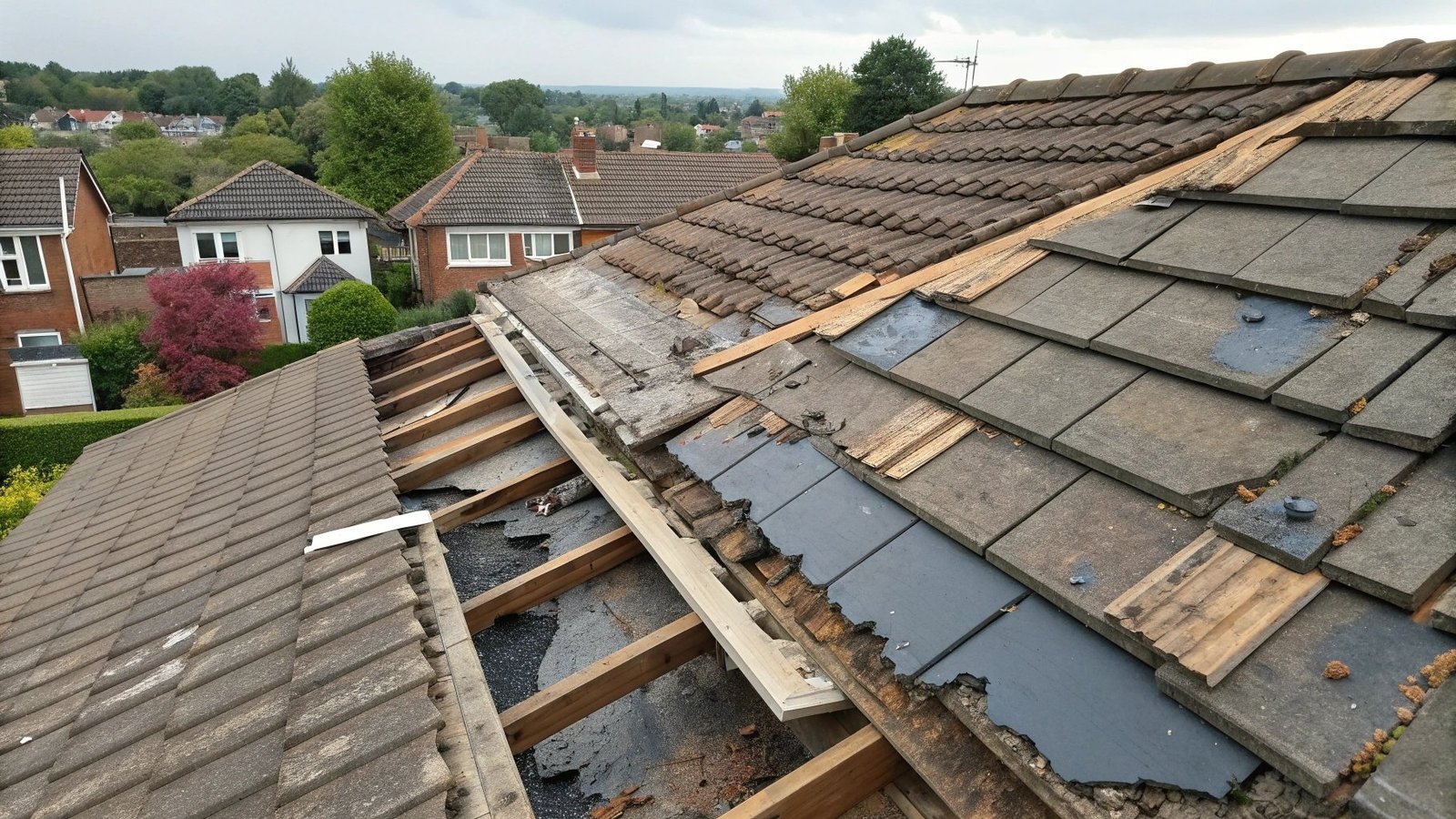
Your roof is your property's first line of defense against the elements, yet it's often overlooked until problems become obvious. As building surveyors conducting property surveys across Luton and Bedfordshire, we inspect thousands of roofs annually. This comprehensive guide reveals what our chartered surveyors look for and the most common roof problems we identify.
Why Roof Condition Matters
Roof repairs are expensive. A full re-roof on a typical three-bedroom semi-detached house costs £8,000-£15,000. Identifying problems early during property surveys saves buyers from unexpected costs and helps existing owners plan maintenance budgets. Our RICS-accredited surveyors prioritize roof inspection during both Level 2 homebuyers surveys and comprehensive Level 3 building surveys.
How Building Surveyors Inspect Roofs
During property surveys, our chartered surveyors use several methods to assess roof condition:
Ground-Level Visual Inspection
Using powerful binoculars, we examine roof coverings, flashings, chimneys, and gutters from ground level. This is standard for all surveys and identifies most visible defects.
Roof Space Inspection
Accessing the loft allows us to inspect roof structure from inside, checking timber condition, identifying previous leaks, and assessing insulation. Evidence of water ingress shows as staining on timbers or felt.
Close Inspection (Level 3 Surveys)
For comprehensive building surveys, where safe access exists, we may conduct closer inspection using ladders or flat roof access. This reveals defects invisible from ground level.
Drone Technology
Our property consultants increasingly use drone surveys for detailed roof inspection without safety risks. High-resolution imagery reveals tile condition, valley gutters, and chimney deterioration in detail.
Common Roof Problems We Identify
Based on thousands of surveys across Bedfordshire, here are the most frequent roof defects our building surveyors find:
1. Slipped or Missing Tiles/Slates
What it looks like: Gaps in roof covering where tiles or slates have moved or fallen off. More common on older roofs where fixings have failed.
Causes:
- Corroded or failed nail fixings
- Wind damage loosening tiles
- Frost damage to tiles causing brittleness
- Poor original installation
- Age-related deterioration of battens
Implications: Water ingress damaging timber structure and ceiling below. Can escalate quickly if not addressed.
Typical costs: £50-£150 per tile/slate replacement including labor. Extensive repairs: £500-£2,000+.
2. Deteriorated Flashings
What it looks like: Cracked, corroded, or displaced lead/zinc flashings around chimneys, valleys, and abutments. Gaps allowing water penetration.
Common locations:
- Chimney base (most common failure point)
- Dormer windows
- Valley gutters
- Where roofs meet walls
- Around soil vent pipes
Why it matters: Failed flashings cause water ingress, leading to damp, timber rot, and ceiling damage. Our chartered surveyors always check flashings carefully during inspections.
Typical costs: Chimney flashing replacement: £500-£1,500. Valley repairs: £400-£1,200.
3. Damaged or Inadequate Felt/Underlay
What it looks like: Torn, deteriorated, or absent roofing felt visible from loft space. Older properties often have no felt at all.
Problems caused:
- Wind-driven rain penetrating into loft space
- Drafts reducing insulation effectiveness
- Dust and debris entering loft from roof tiles
- Accelerated timber deterioration
When our building surveyors recommend action: If felt is badly torn or absent and causing damp issues. Full felt replacement requires removing all tiles – often done during re-roofing.
Typical costs: Only economical during full re-roof (£8,000-£15,000 total).
4. Ridge and Hip Tile Problems
What it looks like: Loose, cracked, or missing ridge tiles along roof peaks and hip tiles on roof corners. Mortar bedding deteriorated or missing.
Why it happens:
- Mortar degradation from weathering
- Frost damage
- Original poor workmanship
- Age (ridge tiles typically need rebedding every 30-50 years)
Risks: Loose ridge tiles can fall, creating safety hazards. Water ingress where tiles are missing damages timbers below.
Typical costs: Ridge tile rebedding: £400-£800 for typical house. Full hip tile replacement: £600-£1,200.
5. Valley Gutter Issues
What it looks like: Cracked, corroded, or blocked valley gutters where two roof slopes meet. Common in terraced properties and complex roof designs.
Common problems:
- Lead valley gutters developing splits or holes
- Debris accumulation causing blockages
- Inadequate fall causing ponding water
- Incorrect flashing at valley edges
Consequences: Water overflow into property causing serious damp and structural damage. Our property consultants treat valley problems as high priority during surveys.
Typical costs: Valley gutter replacement: £800-£2,000 depending on length and access.
6. Chimney Stack Problems
What it looks like: Deteriorated brickwork, damaged chimney pots, failed pointing, or leaning stacks. Particularly common in Victorian and Edwardian properties across Luton.
Defects our chartered surveyors identify:
- Spalling brickwork from frost damage
- Eroded mortar joints
- Cracked or missing chimney pots
- Failed render or flaunching
- Structural movement or leaning
Safety concerns: Unstable chimney stacks can collapse, particularly during high winds. Our building surveyors recommend urgent attention for seriously deteriorated stacks.
Typical costs: Chimney repointing: £500-£1,500. Full chimney rebuild: £2,000-£4,000+. Removal: £1,500-£3,000.
7. Sagging or Deflected Roof Structure
What it looks like: Visible dips or sags in roof line. Rafters or purlins bowing under load. More apparent when viewing property from distance.
Causes:
- Undersized original timbers
- Removed internal walls that previously supported roof
- Timber decay weakening structure
- Excessive loading from heavy roof coverings
- Historical alterations affecting structural integrity
When our RICS-accredited surveyors recommend action: Significant sagging suggests structural weakness. We often recommend structural engineer inspection for detailed assessment.
Typical costs: Structural timber repairs: £2,000-£8,000+ depending on extent.
8. Inadequate or Damaged Guttering
What it looks like: Blocked, leaking, or sagging gutters and downpipes. Overflow marks on walls below gutters.
Common issues:
- Leaf and debris blockages
- Joint failures causing leaks
- Inadequate fall preventing drainage
- Corroded cast iron gutters in older properties
- Damaged or disconnected downpipes
Why it matters: Failed gutters cause water overflow onto walls, leading to dampness, rendering damage, and potential foundation issues. Simple maintenance prevents expensive problems.
Typical costs: Gutter cleaning: £80-£150. Gutter replacement (uPVC): £400-£800 for typical house.
9. Flat Roof Defects
What it looks like: Blistering, cracking, or ponding water on flat roofs. More common on extensions, garages, and dormer roofs.
Common flat roof problems:
- Felt bubbling or blistering
- Split or torn felt coverings
- Inadequate drainage causing ponding
- Failed edge details and flashings
- Age-related deterioration (typical lifespan: 15-25 years)
Our building surveyors' assessment: Flat roofs have shorter lifespans than pitched roofs. We advise on remaining life and replacement timing during property surveys.
Typical costs: Flat roof replacement: £800-£1,500 per 10 square meters. GRP/fibreglass more expensive but longer lasting.
10. Roof Timber Defects
What it looks like: Decayed, beetle-infested, or fungally attacked roof timbers visible in loft space.
Problems identified:
- Wet rot in timbers exposed to leaks
- Woodworm (common furniture beetle) in older timbers
- Dry rot in poorly ventilated loft spaces (rare but serious)
- Structural weakness from timber deterioration
Assessment approach: Our chartered surveyors probe accessible timbers to assess condition. Serious decay requires specialist timber treatment or structural timber replacement.
Typical costs: Timber treatment: £800-£2,000. Structural timber replacement: £2,000-£6,000+.
Warning Signs Visible from Ground Level
Between professional surveys, homeowners should watch for:
- Visible gaps or missing tiles
- Sagging roof lines
- Vegetation growing from gutters or tiles
- Staining on walls below roof level
- Loose or leaning chimney stacks
- Internal ceiling stains or dampness
- Debris in gutters visible from ground
Any of these symptoms warrant inspection by building surveyors or roofing specialists.
Roof Maintenance Recommendations
Our property consultants advise regular maintenance to prevent expensive problems:
Annual Checks
- Visual inspection from ground level after storms
- Clear gutters of leaves and debris (autumn and spring)
- Check for loose or slipped tiles
- Inspect loft space for signs of leaks
Every 5 Years
- Professional roof inspection by chartered surveyors or roofers
- Detailed gutter and downpipe check
- Chimney condition assessment
Every 10-15 Years
- Ridge tile rebedding as needed
- Flashing repairs or replacement
- Major pointing repairs to chimney stacks
When to Commission a Roof Survey
Our RICS chartered surveyors recommend professional roof inspection:
- Before purchasing property: Essential part of Level 2 or Level 3 surveys
- After severe weather: Storms can cause hidden damage
- If you notice problems: Leaks, staining, or visible damage
- For older properties: Roofs over 40 years old need regular assessment
- Planning major works: Loft conversions or extensions affecting roof
Roof Problems in Survey Reports
When our building surveyors identify roof issues during property surveys, we use the traffic light system in Level 2 reports:
- Green (1): Minor maintenance needed (gutter cleaning, odd tile)
- Amber (2): Defects requiring repair within 1-2 years (failed flashings, multiple slipped tiles)
- Red (3): Serious problems needing urgent attention (major leaks, structural defects, dangerous chimney)
Level 3 building surveys provide more detailed analysis with repair recommendations and cost estimates.
Key Takeaways
- Roofs are expensive to repair – early detection saves money
- Common problems include slipped tiles, failed flashings, and deteriorated chimneys
- Professional surveys identify defects before they cause serious damage
- Regular maintenance extends roof lifespan significantly
- RICS chartered surveyors provide expert assessment during property purchases
- Warning signs visible from ground level warrant professional inspection
Concerned About Your Roof Condition?
Our RICS chartered surveyors provide comprehensive roof inspections as part of Level 2 and Level 3 property surveys across Luton, Bedfordshire, and surrounding areas. We identify all defects, assess their severity, and provide expert advice on repairs and costs.
Get Your Property Survey Quote