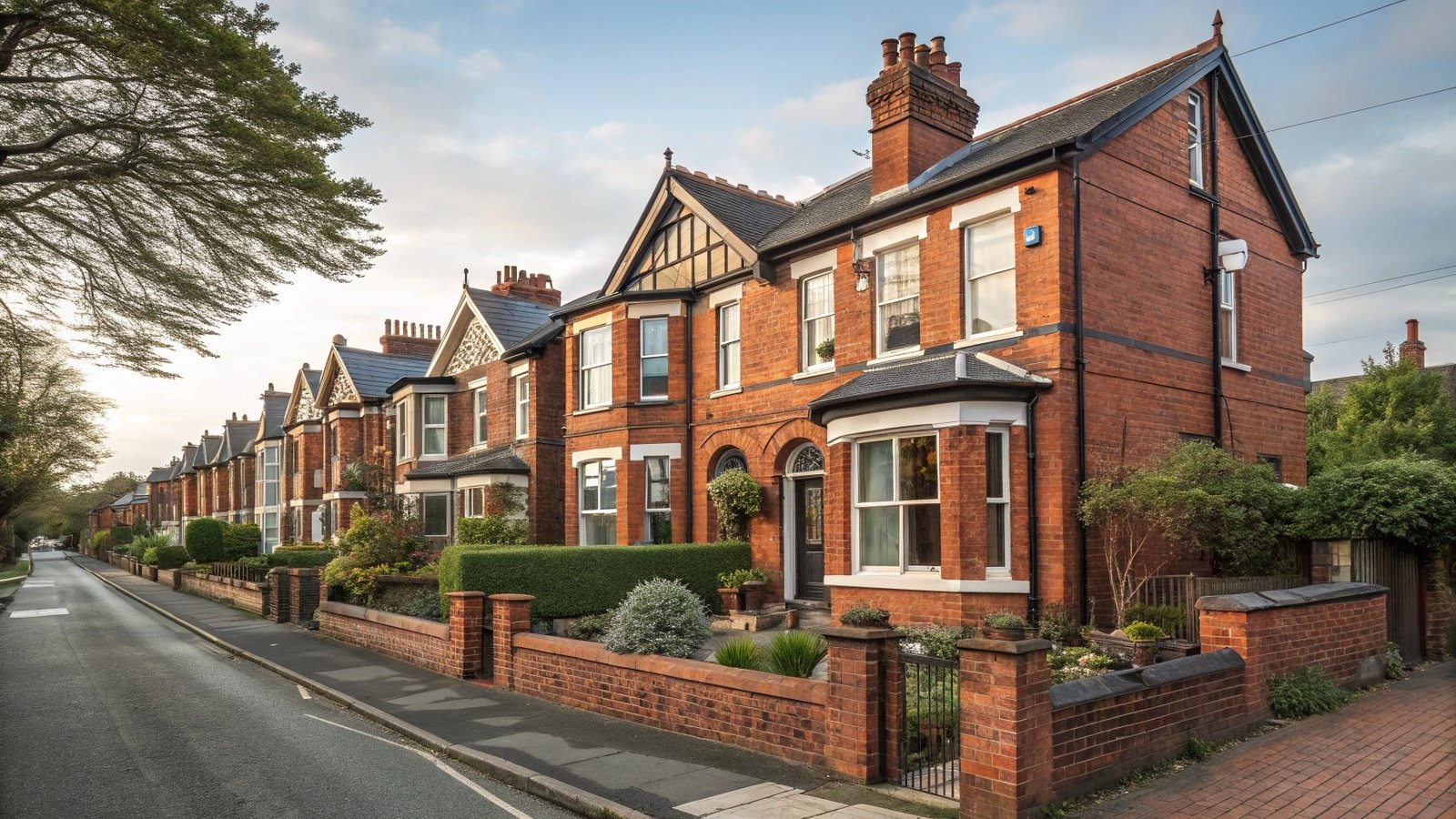
Victorian properties are hugely popular across Luton and Bedfordshire, offering character, space, and period features that modern homes can't match. However, as building surveyors who inspect Victorian properties daily, we know these beautiful homes come with unique challenges. This comprehensive guide explains what our RICS chartered surveyors look for and why a thorough Level 3 building survey is often recommended.
Why Victorian Properties Need Special Attention
Victorian properties (built 1837-1901) were constructed very differently from modern homes. Understanding these differences helps you appreciate why comprehensive surveys matter:
Solid Wall Construction
Unlike modern cavity walls, Victorian properties typically have solid brick walls (usually 9 inches thick). This makes them more susceptible to dampness as there's no air gap to prevent moisture penetration. Our building surveyors always check carefully for damp issues during inspections.
Original Damp Proof Courses
Early Victorian properties had no DPC at all. Later Victorian builds used slate or bitumen DPCs, which can fail over time. This is one of the first things our chartered surveyors investigate – a failed DPC causes rising damp that can affect floors, walls, and structural timbers.
Lime Mortar and Plaster
Victorian builders used lime-based mortars and plasters. These are "breathable" materials that allow moisture to evaporate naturally. Problems arise when later owners repair with cement-based products, which trap moisture and cause damp. We identify inappropriate repairs during Level 3 building surveys.
Traditional Roof Construction
Victorian roofs typically use slate tiles on timber rafters with no felt underlay (sarking felt wasn't used until later). While slate lasts 100+ years, the timber structure may need attention after 150 years. Our property consultants carefully inspect roof condition and timber health.
Common Issues Our Building Surveyors Find in Victorian Properties
Based on thousands of surveys across Bedfordshire, here are the most frequent defects we identify:
1. Subsidence and Structural Movement
Victorian properties often show cracks from historical movement. Not all cracks indicate active subsidence, but our chartered surveyors assess each carefully. Clay soil in parts of Luton makes subsidence more likely, especially near large trees.
What we look for:
- Diagonal cracks tapering from top to bottom
- Cracks wider than 3mm
- New cracks or widening existing cracks
- Doors and windows out of square
- External bulging or leaning walls
2. Damp Problems
Victorian properties are prone to all three types of damp: rising damp from failed DPCs, penetrating damp through solid walls, and condensation from poor ventilation. During homebuyer surveys and building surveys, we use moisture meters and thermal imaging to identify damp sources.
Common damp causes in Victorian properties:
- Non-existent or failed damp proof course
- Bridged DPC (raised ground levels, cement render)
- Penetrating damp through solid walls
- Leaking gutters and downpipes
- Poor pointing allowing water ingress
3. Roof and Chimney Issues
After 120+ years, Victorian roofs often need attention. Slate tiles may be slipping, timber rafters might show decay, and flashings around chimneys deteriorate. Our building surveyors inspect roofs carefully, often using drone technology for detailed analysis.
Typical roof problems:
- Slipped or missing slate tiles
- Aged or decayed roof timbers
- Failed chimney flashings and pointing
- Blocked or damaged gutters and downpipes
- Valley gutter leaks (in terraces)
4. Timber Defects
Victorian floor joists, roof timbers, and window frames can suffer from wood rot or beetle infestation after decades of exposure to damp. Our RICS-accredited surveyors probe timbers during Level 3 surveys to assess condition.
Wood problems to watch for:
- Wet rot in areas exposed to damp
- Dry rot in poorly ventilated spaces
- Woodworm (beetle infestation) in structural timbers
- Decayed window frames and sills
- Sagging floors from weakened joists
5. Original Services Needing Upgrading
Many Victorian properties retain original services or outdated 1960s-70s installations. Our property consultants advise on replacement priorities during surveys.
Services commonly requiring attention:
- Ancient electrical systems with old fuse boxes
- Original cast iron or lead plumbing
- Aging boilers beyond economical repair
- Victorian drainage systems with cracked clay pipes
6. Bay Window Problems
Characteristic Victorian bay windows add charm but often cause structural issues. We frequently find settlement, cracking, or poor construction where bays join the main building.
7. Inappropriate Alterations and Extensions
Over 120+ years, many Victorian properties have been altered. Sometimes these modifications create problems. Our building surveyors assess whether work was done properly and whether it complies with building regulations.
Why Level 3 Building Surveys Are Recommended
While Level 2 homebuyer surveys provide good value for many properties, Victorian homes often benefit from the more detailed Level 3 building survey. Here's why our chartered surveyors usually recommend this comprehensive approach:
Age and Complexity
Properties over 100 years old have more potential issues. Level 3 surveys allow our building surveyors time to investigate thoroughly, examining all accessible areas in detail.
Solid Wall Construction
Solid walls require careful damp assessment. Level 3 surveys include comprehensive moisture testing and analysis of wall condition, identifying issues a Level 2 survey might miss.
Period Features and Materials
Victorian properties use traditional materials and construction methods requiring specialist knowledge. Our chartered surveyors with heritage property experience provide expert advice on maintaining period features properly.
Renovation Planning
Many buyers purchase Victorian properties intending renovation work. Level 3 building surveys provide the detailed information needed to plan projects and budget accurately.
Hidden Issues
Victorian properties can hide problems behind later alterations. Comprehensive Level 3 surveys investigate thoroughly, potentially saving you from expensive surprises.
What to Expect During a Victorian Property Survey
Our RICS chartered surveyors typically spend 4-6 hours inspecting a Victorian terrace or semi-detached property during a Level 3 building survey. Here's what we examine:
External Inspection
- Roof condition using binoculars or drone technology
- Chimney stacks and pointing
- Brickwork and pointing condition
- Render and external finishes
- Windows, doors, and external woodwork
- Gutters, downpipes, and drainage
- Boundary walls and outbuildings
Internal Inspection
- Damp testing of all external walls
- Floor level checks for structural movement
- Ceiling and wall crack assessment
- Timber probing in accessible areas
- Service installations review
- Period feature condition
- Evidence of previous alterations
Roof Space Inspection
- Roof timber condition
- Evidence of leaks or previous repairs
- Insulation adequacy
- Water tank and pipework condition
- Signs of wood rot or beetle infestation
Under-Floor Spaces
- Suspended floor construction assessment
- Joist condition and timber health
- Ventilation adequacy
- Signs of dampness affecting timbers
Typical Repair Costs for Victorian Properties
Understanding likely repair costs helps you budget and negotiate. Based on surveys across Luton and Bedfordshire, here are typical ranges:
- Damp proof course injection: £500-£1,500 per room
- Roof repairs (minor): £500-£2,000
- Full roof re-covering: £8,000-£15,000
- Chimney repointing: £500-£1,500 per stack
- Repointing (per elevation): £2,000-£5,000
- Rewiring: £3,000-£6,000
- New boiler and system: £2,500-£4,000
- Replumbing: £2,000-£5,000
- Window restoration: £400-£800 per window
- Floor joist repairs: £1,000-£3,000 per room
These costs help you assess whether the property represents good value and provide negotiation leverage if significant issues are found.
Benefits of Victorian Properties
Despite potential issues, Victorian properties offer many advantages that make them worthwhile purchases:
Character and Features
Original features like cornicing, fireplaces, sash windows, and high ceilings add character impossible to replicate in modern homes. Many buyers across Bedfordshire specifically seek Victorian properties for these period details.
Solid Construction
Victorian builders used quality materials and craftsmanship. Properly maintained, these properties last centuries. Solid walls provide excellent sound insulation between rooms.
Generous Room Sizes
Victorian properties typically offer more space than equivalent modern homes. High ceilings create an airy feel, and room proportions are often better.
Sustainable Materials
Lime mortar, slate, and traditional materials are more sustainable than modern alternatives. When maintained appropriately, Victorian properties have excellent environmental credentials.
Location
Many Victorian properties occupy desirable locations close to town centers, established communities, and good transport links.
Maintaining Your Victorian Property
Our property consultants recommend sympathetic maintenance using appropriate materials and methods:
Use Compatible Materials
Repair lime mortar with lime, not cement. Use breathable materials that allow walls to dry naturally. Our chartered surveyors can recommend appropriate products and specialists.
Regular Maintenance
Victorian properties need ongoing attention:
- Annual gutter clearing
- Regular roof inspections
- Prompt repair of minor defects before they worsen
- Repointing as needed (every 30-50 years typically)
- External decoration every 4-6 years
Appropriate Heating and Ventilation
Victorian properties need consistent low-level heating rather than short bursts. Good ventilation prevents condensation while allowing walls to breathe.
Respect Period Features
Original features add value. Restore rather than replace when possible. Our building surveyors can advise on sympathetic improvements during surveys.
Key Takeaways for Victorian Property Buyers
- Victorian properties offer character but require more maintenance than modern homes
- Level 3 building surveys provide essential detail for informed purchasing decisions
- Common issues include damp, roof problems, and aging services
- Repair costs should be factored into purchase negotiations
- Use appropriate materials and methods for maintenance
- RICS chartered surveyors provide expert advice on Victorian property condition
- Regular maintenance prevents expensive problems developing
Buying a Victorian Property in Luton or Bedfordshire?
Our RICS chartered surveyors specialize in Victorian property surveys. We provide comprehensive Level 3 building surveys that identify all defects, assess period features, and provide expert advice on repairs and maintenance. Make an informed decision with professional guidance from experienced building surveyors.
Get Your Victorian Property Survey Quote